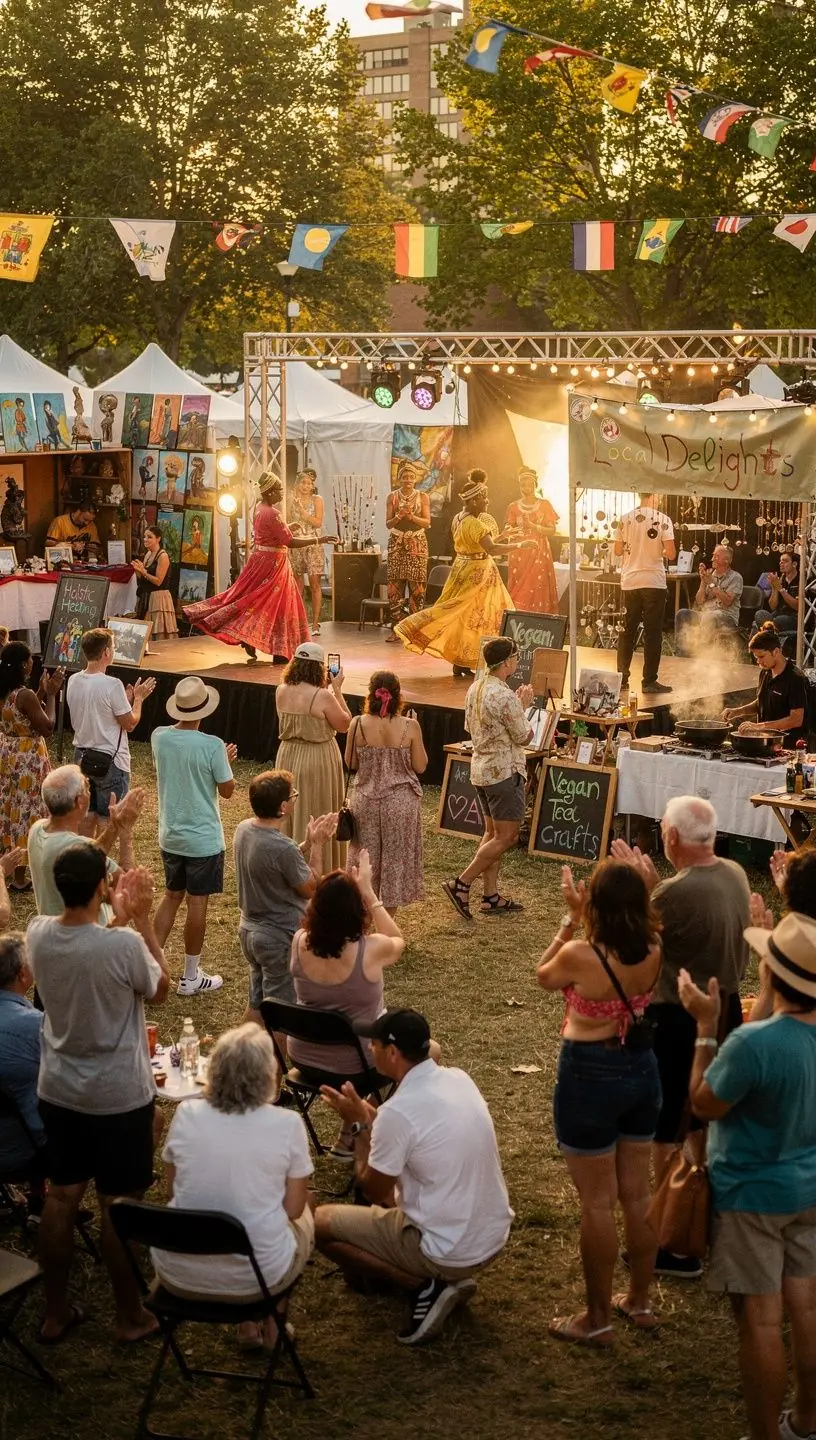
Evaluating the Success of Dance-Based Social Events
In recent years, dance-based social networking events have gained popularity as a means to foster community connections and personal growth. Evaluating their success involves understanding their impact on participants and the community at large.
Understanding the Basics of Dance-Based Social Events
Dance-based social events typically provide a platform for individuals to engage in physical activity while meeting new people. These events can include structured coaching sessions, where participants learn dance techniques and styles, followed by social gatherings. According to research, physical activity is known to enhance social interactions and improve overall well-being, which is why many users report feeling more connected after attending such events.

"Physical activity is strongly linked to social connectedness and community well-being." — Community Health Research
Factors Contributing to Success
Evaluating the success of these events involves several key factors:
- Participant Engagement: The level of engagement participants experience during events can significantly influence perceived success. Typically, more interactive and inclusive activities foster deeper connections between attendees.
- Feedback Mechanisms: Collecting feedback through surveys or informal discussions post-event helps organizers understand what works well and what doesn't. Many experts recommend regular feedback loops to continuously improve event offerings.
- Community Impact: The broader impact on the local community is another essential measure of success. Research indicates that regular social interactions can lead to stronger community ties and increased participation in local initiatives.
Measuring Outcomes
To effectively measure the outcomes of dance-based social events, consider the following methodologies:
- Pre- and Post-Event Surveys: Conduct surveys to assess participants' feelings about community connection and personal growth before and after the event. This can help in quantifying the changes experienced.
- Participation Rates: Tracking the number of attendees over time provides insights into the event's popularity and its ability to attract new participants. Research shows that consistently high participation rates are a good indicator of success.
- Social Media Engagement: Monitoring engagement on social media platforms can provide valuable insights into how well the events resonate with broader audiences. Increased shares and positive comments often reflect successful engagement.
Acknowledging Limitations
While dance-based social events can foster community and personal growth, it is essential to acknowledge their limitations:
- These events typically require a time commitment from participants, with successful engagement often taking several sessions.
- The effectiveness of these events may vary based on the existing community dynamics and individual participant backgrounds.
- Some individuals may not feel comfortable in dance settings, which can affect their engagement levels.
Conclusion
Dance-based social events present an effective opportunity for fostering community connections and enhancing personal well-being. By understanding the contributing factors to their success and implementing structured feedback mechanisms, organizers can create meaningful experiences for participants. While challenges exist, the potential for positive outcomes makes these events a valuable addition to community engagement strategies.
Learn More