How to Foster Connections in Dance Communities
Building a vibrant dance community requires more than just a shared love of movement; it necessitates fostering genuine connections among participants. This article explores effective ways to create and enhance relationships in dance communities, utilizing structured coaching and offline dance-based social networking events.
Understanding the Role of Community in Dance
According to research from the National Endowment for the Arts, community engagement in dance can significantly enhance both personal and social well-being. Dance not only provides a creative outlet but also facilitates social interaction, which can lead to lasting friendships and support systems.
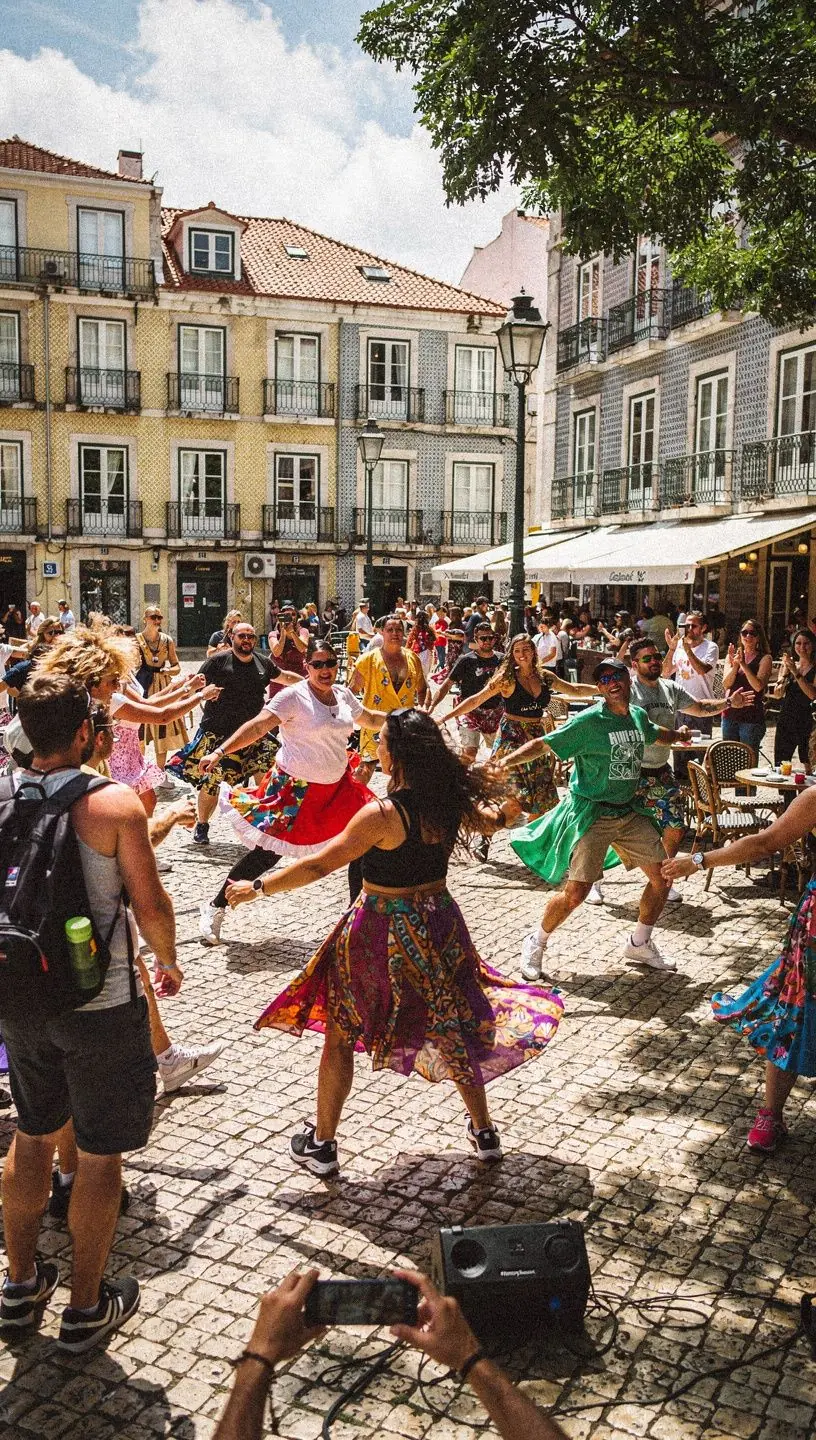
"Building connections through shared experiences in dance can lead to a more cohesive and supportive community." - Dance Community Expert
Strategies for Fostering Connections
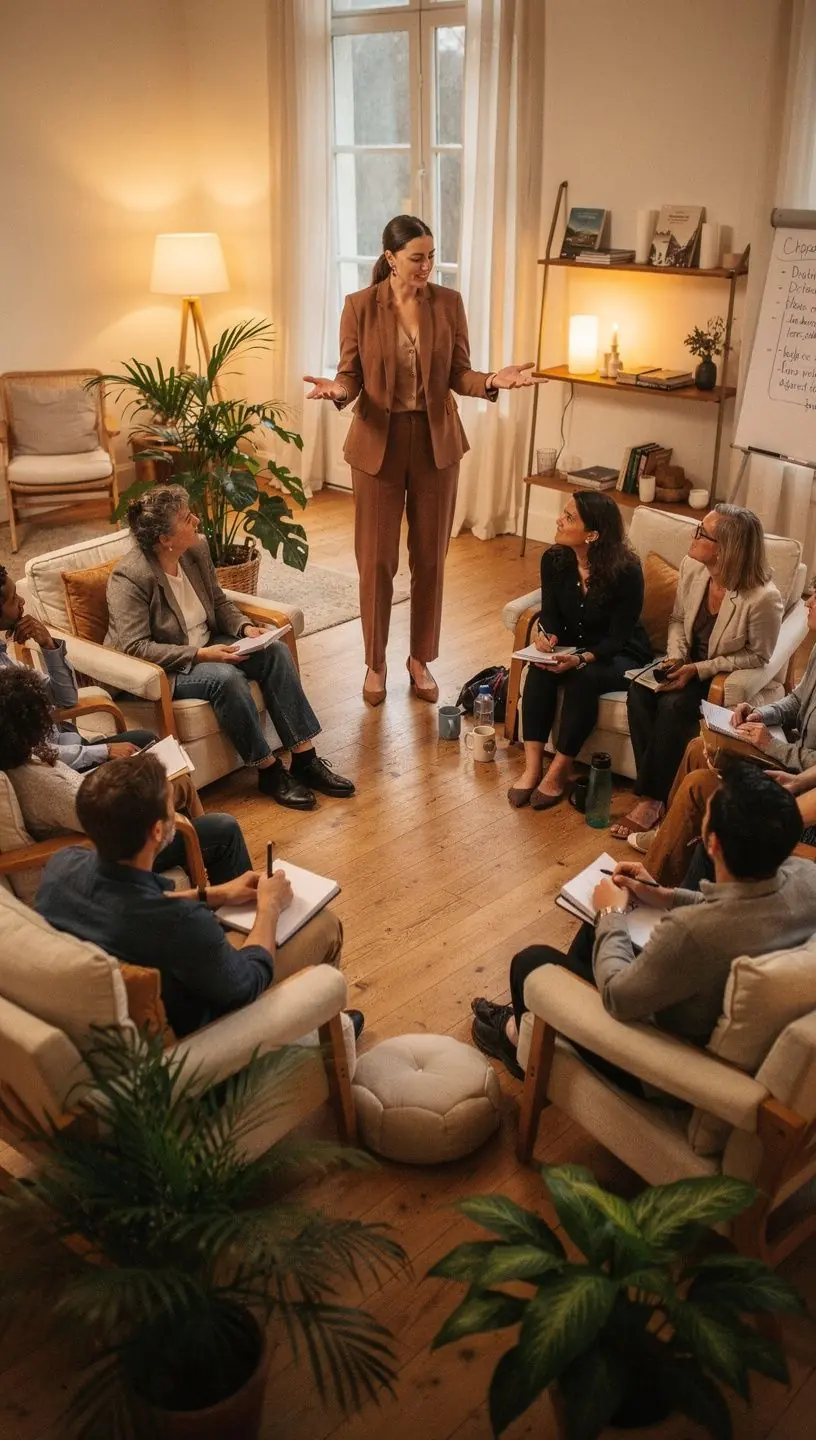
- Create Structured Coaching Programs: Implementing structured coaching can help dancers at various levels improve their skills while also promoting teamwork. Research indicates that structured learning environments can enhance group dynamics and foster collaboration among participants.
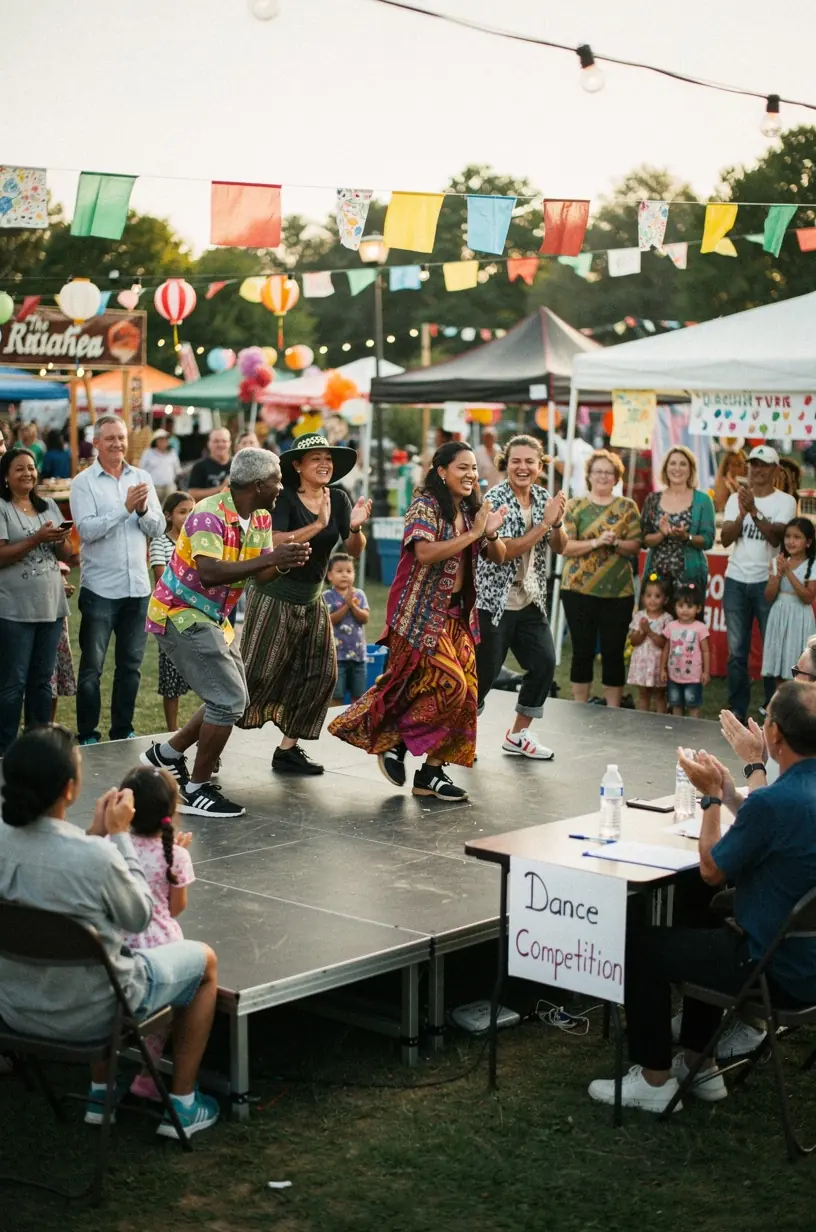
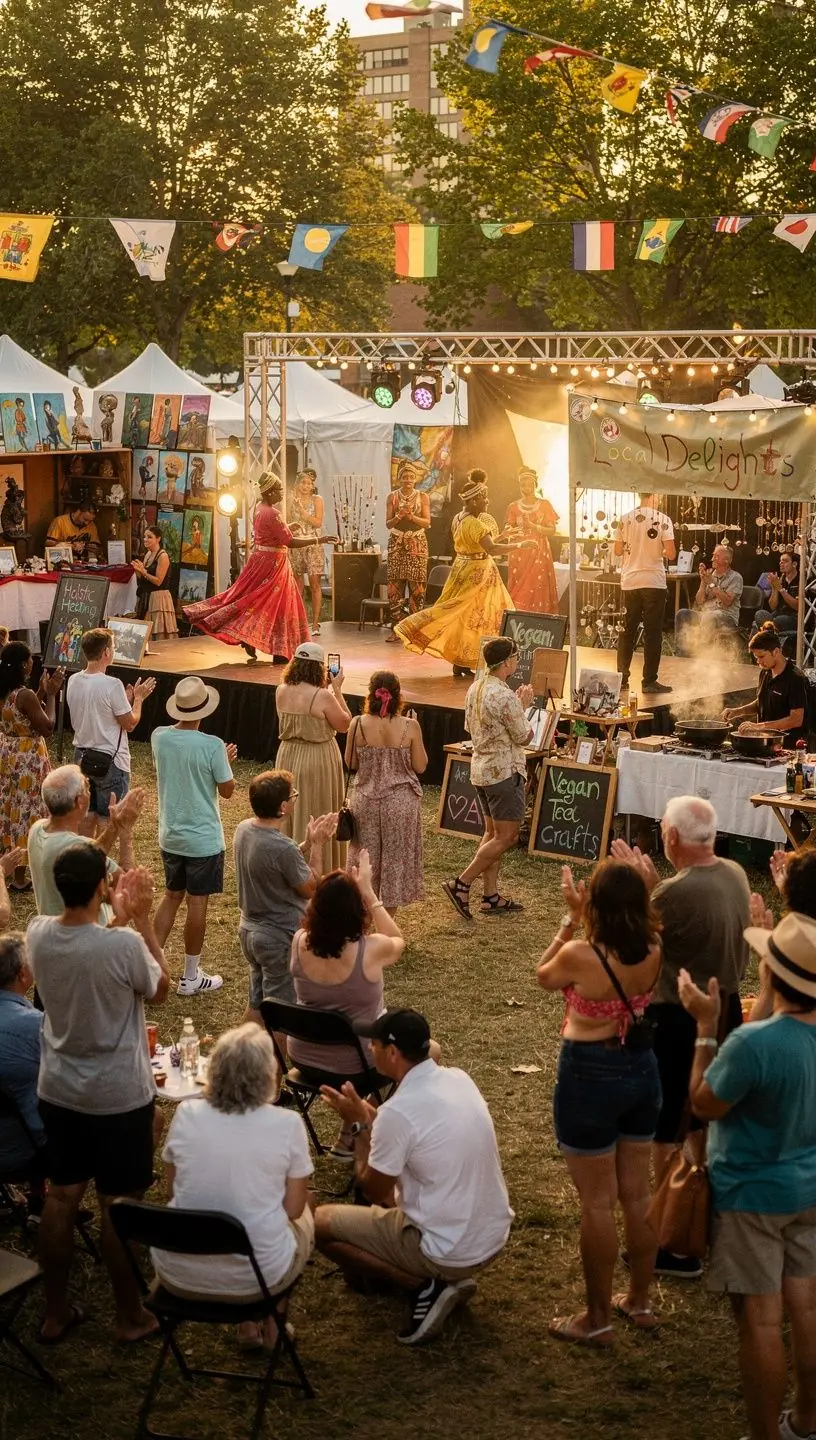
- Organize Offline Social Events: Regular dance-based social networking events can offer dancers the opportunity to connect outside of formal classes. Activities such as dance socials, workshops, or themed dance parties help participants bond over shared experiences.
- Encourage Peer-to-Peer Support: Many users report that having a buddy system or mentorship program within dance communities fosters deeper connections. By pairing experienced dancers with novices, both parties benefit from shared knowledge and support.
Creating an Inclusive Environment
Experts recommend that dance communities focus on inclusivity to attract a diverse group of participants. This includes offering classes that cater to various skill levels, age groups, and dance styles. Research has shown that inclusive communities tend to have higher participant retention rates, which is crucial for long-term success.
Measuring Success and Acknowledging Limitations
While fostering connections is essential, it's important to set realistic expectations. Building a strong community typically takes time and consistent effort. Many dance communities observe that it can take several months of engagement through classes and events to see meaningful connections develop among members.
Conclusion
Fostering connections in dance communities can lead to a more enjoyable and fulfilling experience for participants. By implementing structured coaching programs, organizing offline social events, and promoting inclusivity, dance communities can create a supportive network that enriches the dance experience. Remember, the journey to building connections often requires patience and dedication, but the rewards can be significant, enhancing both personal growth and community cohesion.