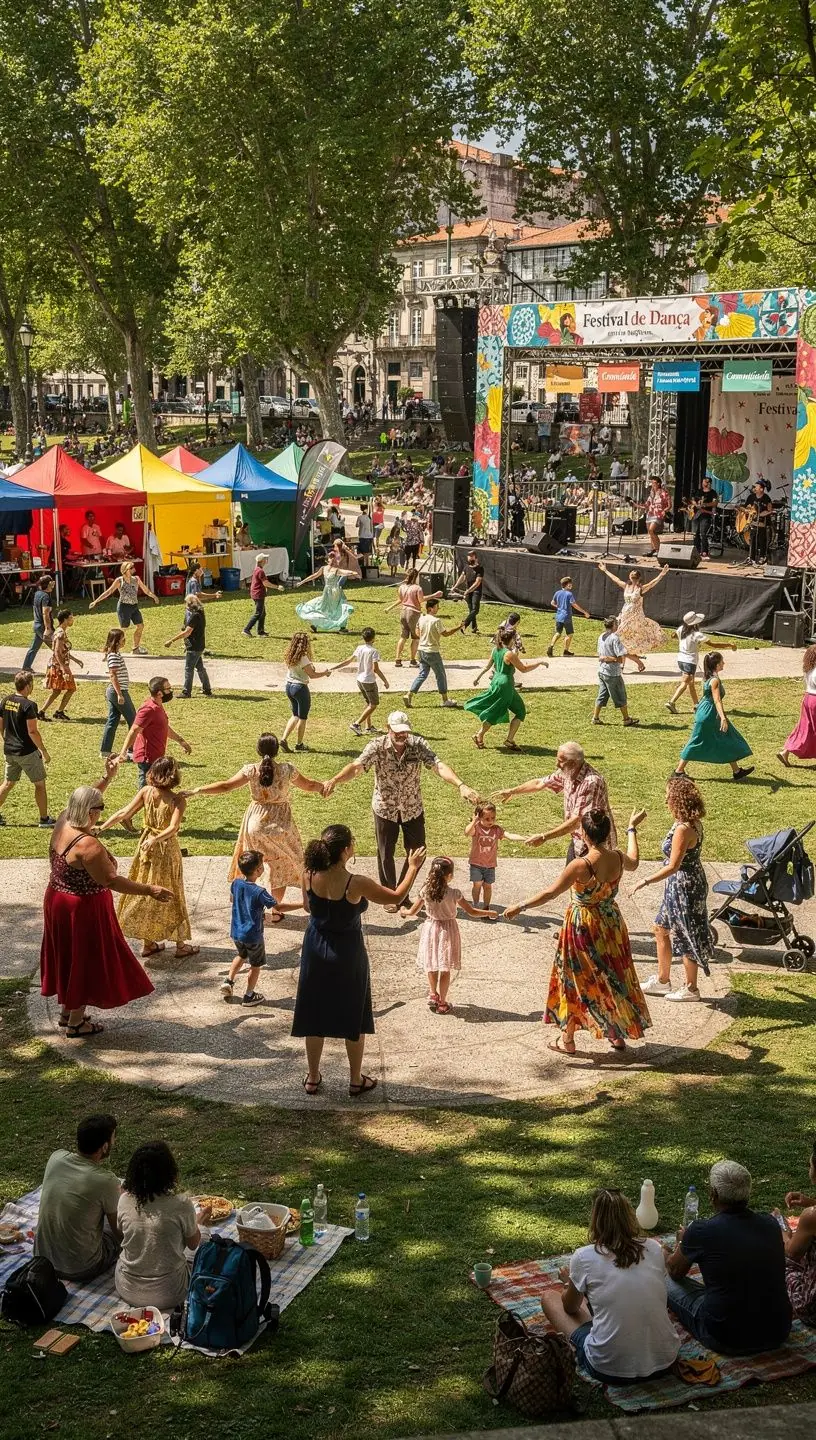
Integrating Social Networking in Dance Programs
In today's digital age, integrating social networking into dance programs can enhance participant engagement and foster community connections. This article explores effective ways to merge online interaction with offline dance-based events, ultimately enriching the overall experience.
Understanding the Basics
Social networking serves as a vital tool for building relationships and fostering communication among participants in dance programs. According to research conducted by the International Journal of Dance Medicine & Science, social interaction is crucial in creative fields as it promotes collaboration and motivation among peers.

"Effective social networking can lead to an increased sense of community, which is essential for personal growth and development in dance."
Benefits of Integrating Social Networking
- Enhances Community Engagement: Programs that leverage social media platforms often see increased interaction among participants. Many users report that being part of an online group motivates them to attend classes and events more consistently.
- Facilitates Feedback and Improvement: Incorporating social networking allows participants to share experiences and provide feedback. Studies show that when dancers engage online, they often receive constructive criticism that can enhance their skills.
- Broadened Networking Opportunities: Social platforms can connect dancers with professionals in the industry. This can be particularly beneficial in regions like Portugal, where opportunities may be limited but can be expanded through online networks.
Practical Application of Social Networking in Dance Programs
Integrating social networking into dance programs involves several practical steps. Here’s how to approach it effectively:
- Create Dedicated Online Groups: Establish spaces on platforms like Facebook or Instagram where participants can share their experiences, successes, and challenges. This typically takes about 2-4 weeks to set up, depending on the platform and group size.
- Host Virtual Events: Combine offline dance events with online workshops or discussions. Experts recommend that these virtual gatherings occur regularly to maintain engagement. This may require consistent planning and effort over time.
- Encourage Sharing of Progress: Ask participants to document their dance journey on social media. This creates a supportive atmosphere and can foster healthy competition. However, it’s important to note that this approach works best when participants feel comfortable sharing their work.
Challenges to Consider
While integrating social networking can be beneficial, it is essential to acknowledge some limitations:
- Time Commitment: Regular interaction on social platforms typically requires effort and dedication from both instructors and participants.
- Potential for Overwhelm: Some participants may feel overwhelmed by the constant influx of information and updates. Setting clear rules about engagement frequency can help mitigate this issue.
- Privacy Concerns: It’s crucial to address privacy issues and ensure that participants feel safe sharing their progress and feedback online.
Conclusion
Integrating social networking into dance programs can significantly enhance participant engagement and community building. By creating dedicated online spaces, hosting virtual events, and encouraging the sharing of progress, dance programs can foster a vibrant and supportive environment. While there are challenges to consider, the potential benefits often outweigh these concerns when approached thoughtfully.
Ultimately, effective integration of social networking can help build lasting connections among dancers, enriching their overall experience and fostering personal and collective growth.