Creating a Supportive Community Through Dance
Dance is more than just a form of expression; it is a powerful medium for building supportive communities. In Portugal, where social connections are vital, utilizing dance as a tool for community engagement can foster lasting relationships and provide emotional support. This article explores how structured coaching and offline dance-based social networking events can create an inclusive environment for individuals to grow and connect.
The Importance of Community in Dance
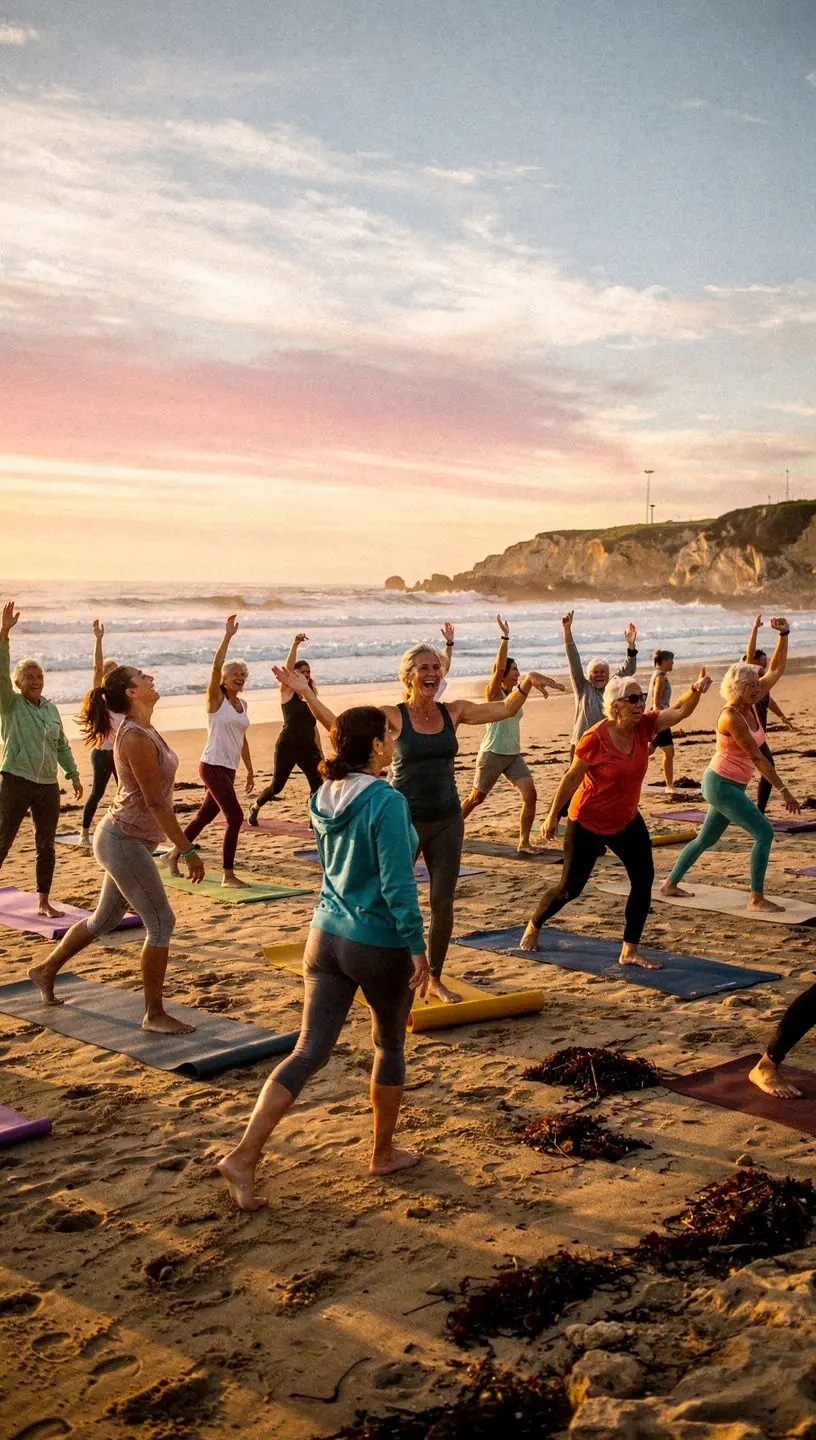
According to research, participating in group activities can significantly enhance social well-being. Many users report feeling a greater sense of belonging when engaging in communal experiences such as dance. This sense of community often leads to improved mental health and emotional stability, as individuals feel supported by those around them.
"Dance not only helps individuals express themselves but also connects them to a larger community, fostering support and understanding." - Dance Research Journal
How Dance Fosters Connection
The principles behind dance as a community-building tool lie in its collaborative nature. Here’s how dance can create connections:
- Shared Experience: Engaging in dance activities offers a unique platform for participants to share their experiences, which can lead to deeper conversations and bonds.
- Structured Coaching: Group coaching sessions can provide a framework for learning and sharing, making it easier for individuals to support one another through challenges and successes.
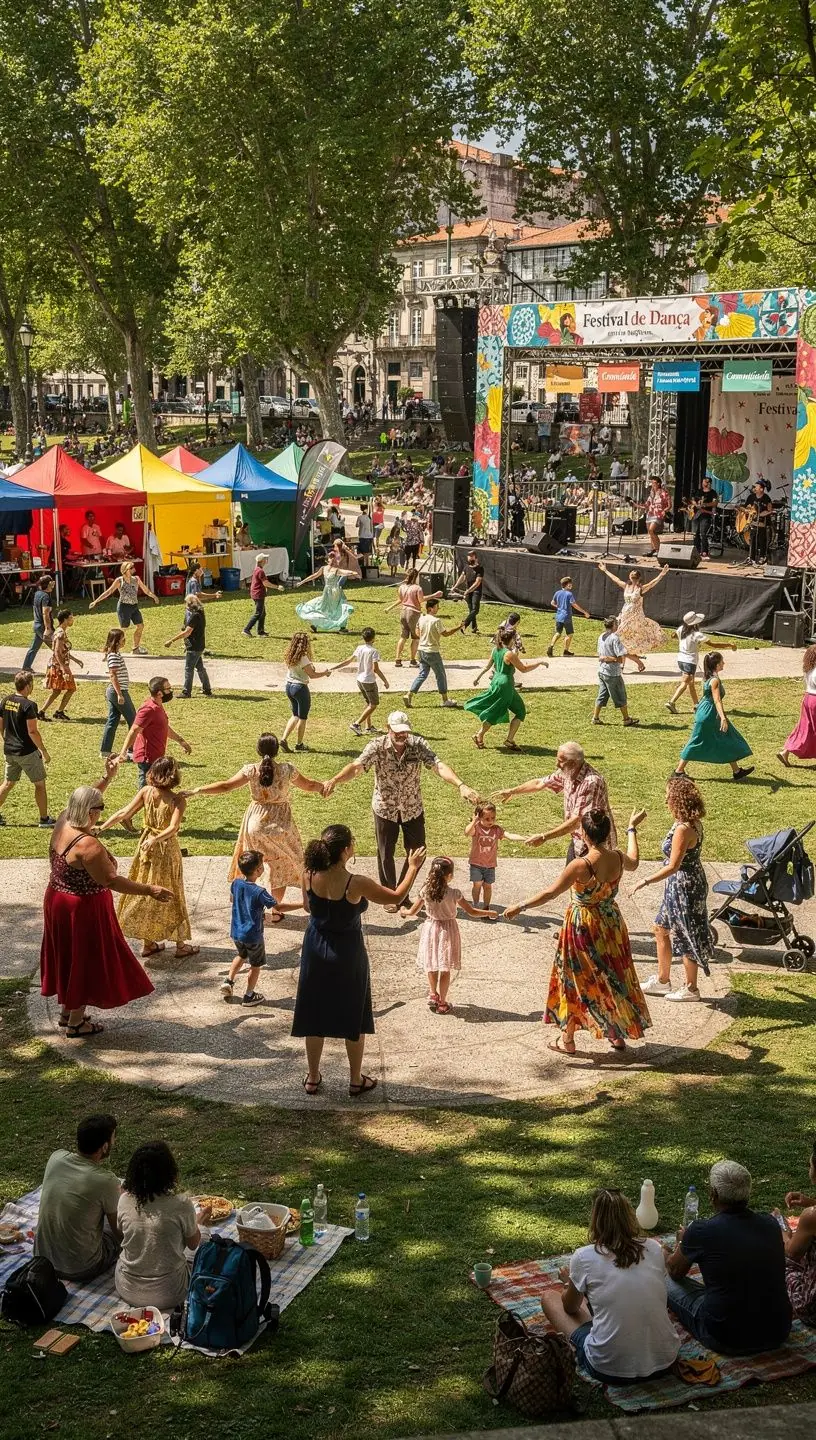
- Social Networking Events: Hosting offline dance events provides opportunities for individuals to meet, interact, and form friendships in a relaxed and enjoyable setting.
Building a Supportive Dance Community
Creating a supportive community through dance typically involves several key steps. Here’s a realistic overview of the process:
- Identify Goals: Understand what you want to achieve through your dance community, whether it's enhancing social connections or improving dance skills.
- Design Inclusive Programs: Craft dance programs that cater to various skill levels and backgrounds to ensure everyone feels welcome.
- Encourage Participation: Foster an environment that promotes participation, where individuals are encouraged to support one another and share their progress.
- Arrange Regular Events: Consistency is key. Regular dance events, workshops, and social gatherings help maintain connections over time.
Challenges and Limitations
While building a supportive community through dance can be rewarding, it also requires time and dedication. Some challenges include:
- Time Commitment: Building a meaningful community typically takes time, often requiring several months of consistent interaction and participation.
- Learning Curve: Individuals may need to overcome initial apprehensions or insecurities about their dance abilities, which can take time.
- Varied Engagement Levels: Not all participants may engage equally, so it's essential to find ways to motivate and involve everyone.
Conclusion
Creating a supportive community through dance is a viable path to personal and social growth. By focusing on structured coaching, regular events, and fostering inclusivity, individuals can build meaningful connections and enhance their overall well-being. While challenges may arise, the benefits of a strong community centered around dance can lead to lasting friendships and emotional support, enriching the lives of all involved.